


There’s a particular kind of exhaustion that comes from knowing you’re working twice as hard just to be seen as on par.
It doesn’t come from long hours or tight deadlines — though those are part of it. No, this fatigue is quieter, deeper. It’s the slow burn of constantly proving yourself, of navigating assumptions about your role before you’ve even spoken, of adjusting your voice so it sounds confident but not “too much”, professional but not cold.
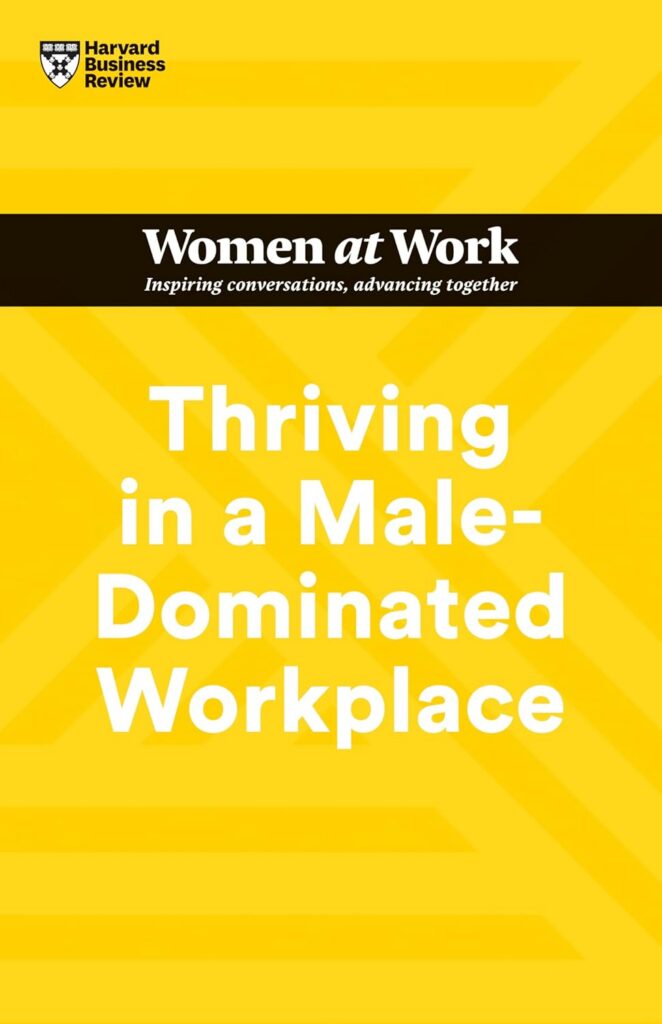
I’ve been thinking deeply about all this since finishing Thriving in a Male-Dominated Workplace (HBR Women at Work Series) — and honestly? It hit harder than I expected.


Because here’s the truth many of us know in our bones but rarely name out loud:
In some rooms, simply being present isn’t enough. You have to perform credibility—every single time.
Let me share a few moments that left me both unsettled and strangely relieved.
We’ve all felt it:
- Being mistaken for an admin, an assistant, or someone in support rather than leadership — despite having the title, experience, and impact. (This is called “role incredulity” — and yes, it happens more often than we admit.)
- That moment when your idea is ignored… until a man says it seconds later — and suddenly, it’s genius.
- The subtle expectation that if you’re assertive, you’re “aggressive”; if you’re warm, you’re “soft”. And there’s no middle ground where you can just be you.
- The invisible task of managing how others perceive you — while also trying to get work done.
And then comes the real kicker:
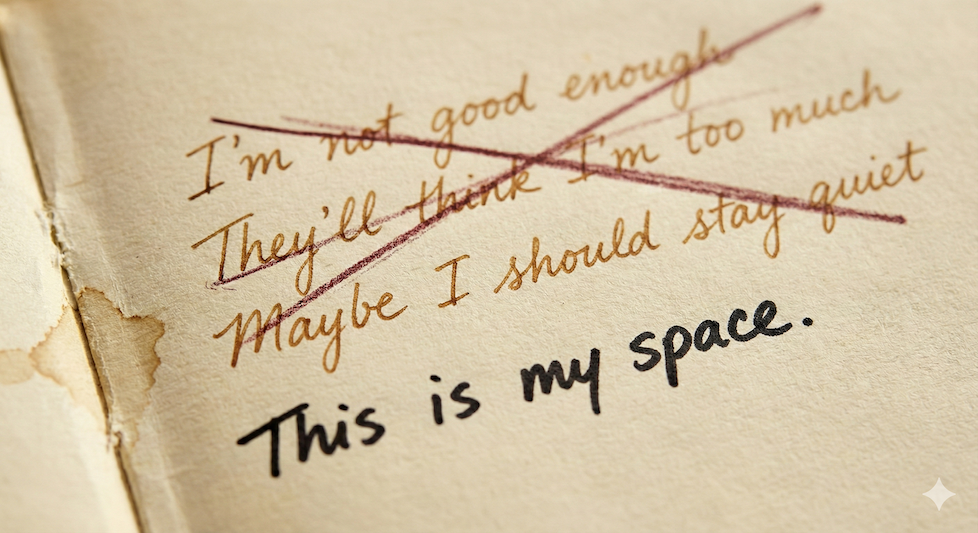
You start believing the narrative they write for you — not because it’s true, but because it feels safer to accept it than to fight every time.
I was struck by this line from the book: “Women are judged on warmth before confidence; men, the other way around.”
That one sentence explained so much about why I’ve spent years rehearsing my tone, softening my delivery, apologising too soon… all in service of being “likeable enough” to be heard.
There’s also the quiet cost of missed networks.
(I’ll confess: I wish I’d read this advice 10 years ago. I built my career through technical excellence — which served me well — but never prioritised widening my circle beyond professional peers. Now? I’m learning the hard way that reputation isn’t just what you do — it’s who knows you, trusts you, and speaks up when you’re not in the room.)
Then there’s the myth we’ve been taught: “My work should speak for itself.”
But here’s the truth no one tells us: If your work doesn’t align with the wider mission, if you don’t frame it clearly, if you don’t own your story — it will get lost in the noise.
And let’s talk about feedback.
How many times have we received vague or uninformed comments (“It’s a bit bold,” “Too ambitious”) without context? The book suggests taking a timeout: pause, reflect, ask clarifying questions — because not every critique is useful, and some are rooted in bias, not substance.
These aren’t small things. They’re cumulative. They wear down confidence. They make us question our place — even when we’ve earned it.
So yes… this part was heavy.
Because sometimes, being honest means admitting how much extra emotional labour women carry just to be seen as equal.
But here’s the thing:
Recognition is the first step towards change. And knowing these patterns exist? That’s power.
📌 Coming next week: Part 2 – Finding My Voice – And Keeping It.
We’ll explore how to build influence on your terms — from crafting an authentic elevator pitch to sharing credit (and praise!) generously, to reclaiming authority without apology.
Plus: simple tools for navigating biased remarks, building real networks, and creating space where everyone can thrive — not just survive.
I’m so glad I read this book — not because it gave me answers, but because it named what I’d been feeling all along.
And if you’ve ever felt like you’re doing more than your fair share of “just existing” at work… please know: you’re not alone.
Stay tuned for Part 2 — and feel free to reply with one word that describes how you feel after reading this. I promise, no judgment. Just solidarity. 💬
Warmly,
Priya ✨